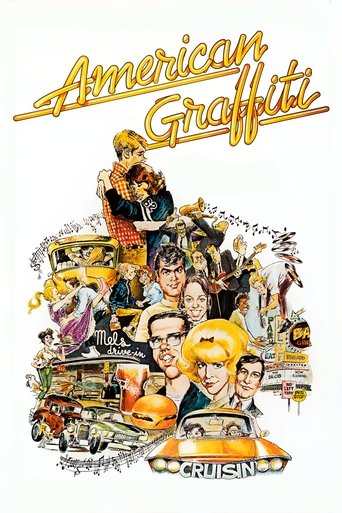
American Graffiti (1973)
August 11, 1973 · Comedy, Drama
194 classic films from five decades, all rated PG or gentler.
August 11, 1973 · Comedy, Drama
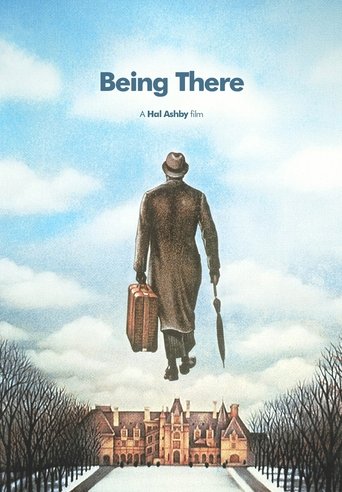
December 19, 1979 · Comedy, Drama

September 7, 1966 · Drama, Science Fiction
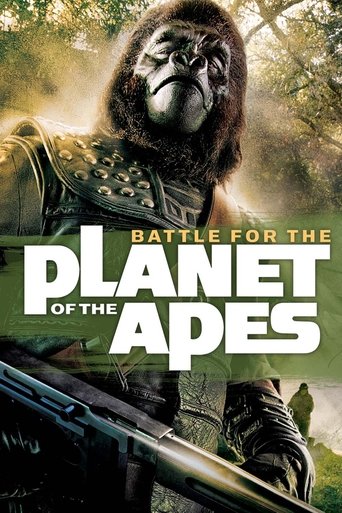
June 15, 1973 · Action, Science Fiction
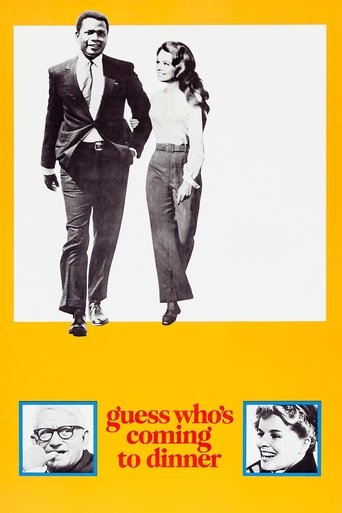
December 11, 1967 · Drama, Romance
March 18, 1968 · Comedy
May 27, 1977 · Action, Adventure
December 16, 1970 · Romance, Drama
December 3, 1975 · Adventure, Drama

November 3, 1971 · Drama, Romance
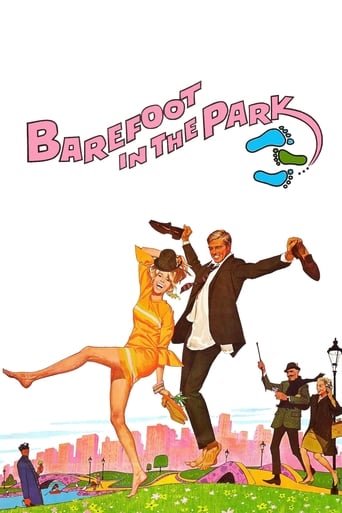
May 25, 1967 · Comedy, Romance
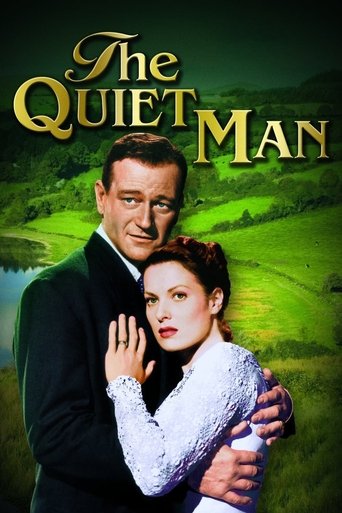
July 21, 1952 · Romance, Comedy

July 10, 1942 · Drama, Romance
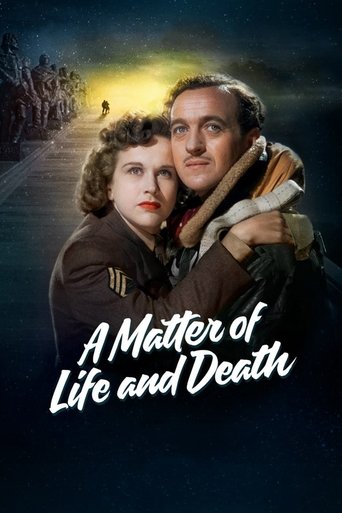
December 15, 1946 · Romance, Fantasy
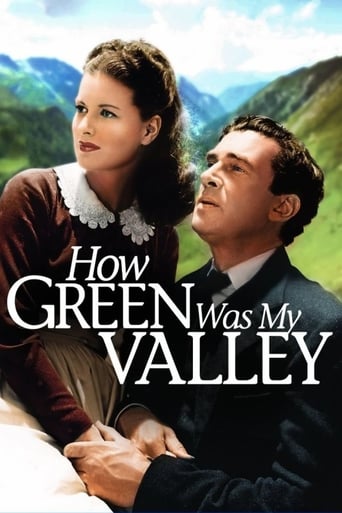
October 28, 1941 · Drama
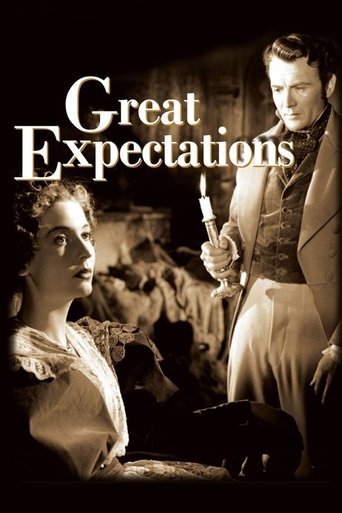
December 26, 1946 · Drama, Romance
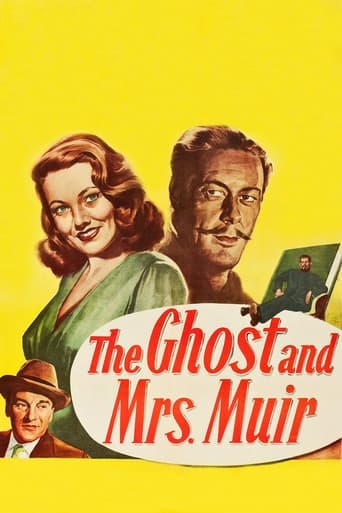
May 25, 1947 · Romance, Fantasy
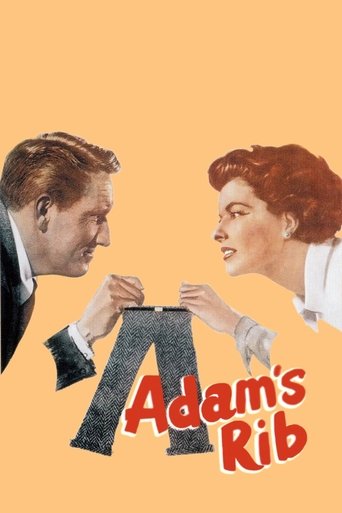
November 17, 1949 · Comedy, Romance
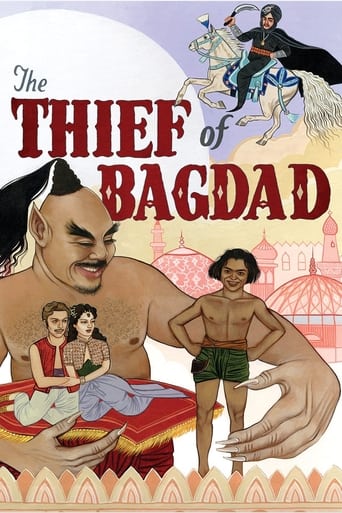
February 19, 1940 · Adventure, Fantasy

May 26, 1938 · Comedy, Romance
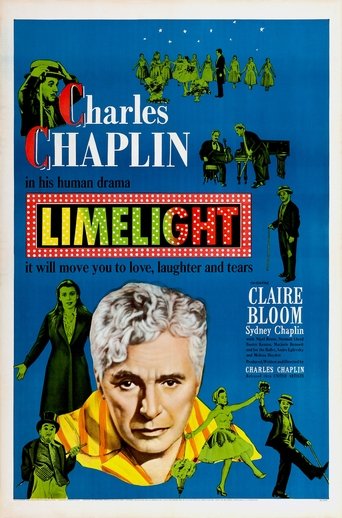
October 16, 1952 · Romance, Drama
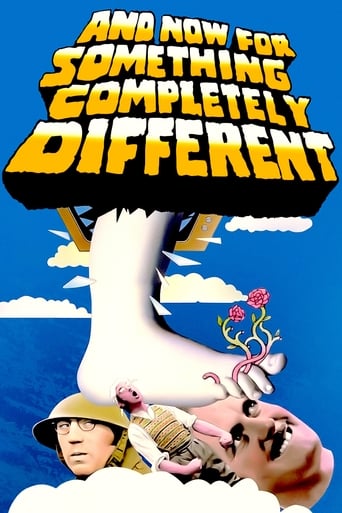
September 28, 1971 · Comedy
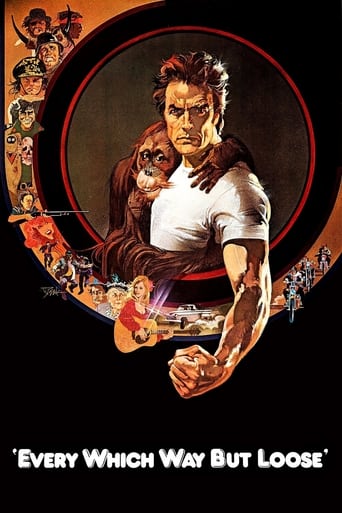
December 16, 1978 · Comedy, Adventure
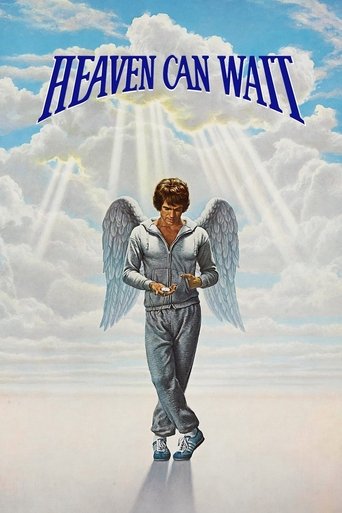
June 28, 1978 · Fantasy, Comedy

September 19, 1968 · Comedy, Drama
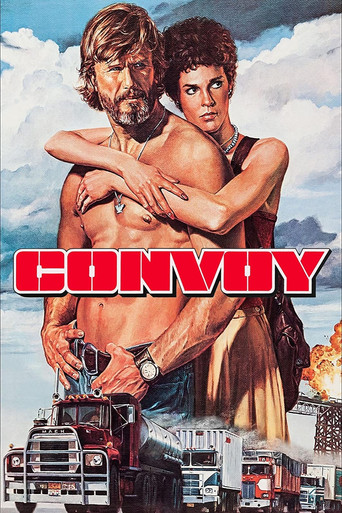
June 27, 1978 · Action, Comedy
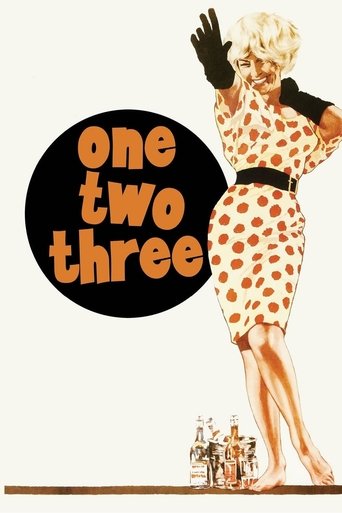
December 15, 1961 · Comedy
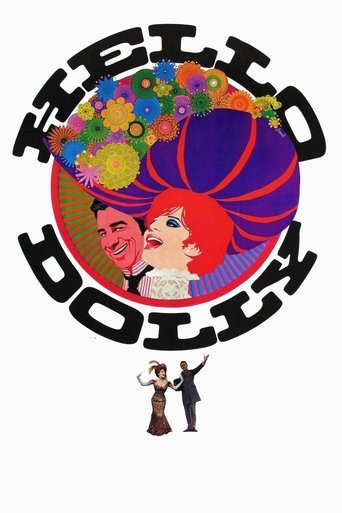
December 12, 1969 · Comedy, Romance
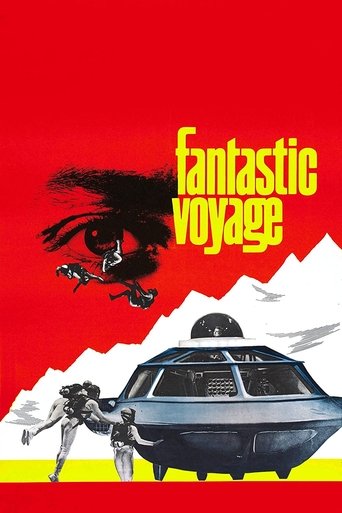
August 24, 1966 · Science Fiction, Adventure
August 24, 1966 · Science Fiction, Adventure
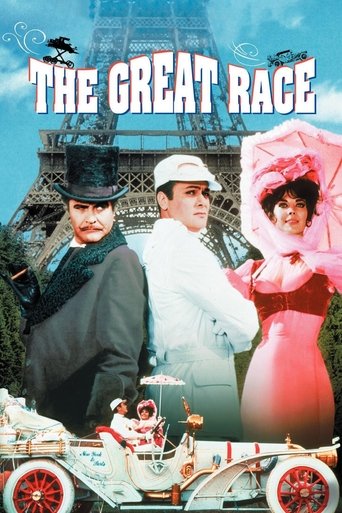
July 1, 1965 · Comedy, Adventure
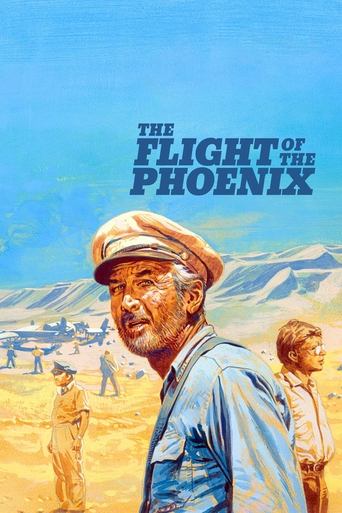
December 15, 1965 · Adventure, Drama
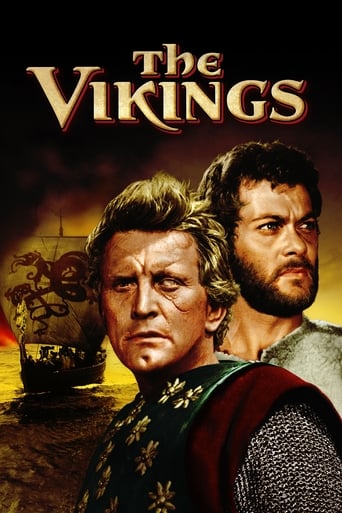
June 11, 1958 · Adventure, History
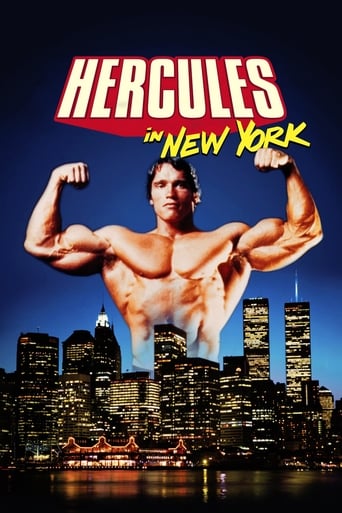
February 23, 1970 · Comedy, Adventure
February 23, 1970 · Comedy, Adventure
December 25, 1947 · Comedy, Fantasy
December 8, 1949 · Comedy, Romance
August 8, 1930 · Comedy, Music
April 20, 1937 · Drama, Romance
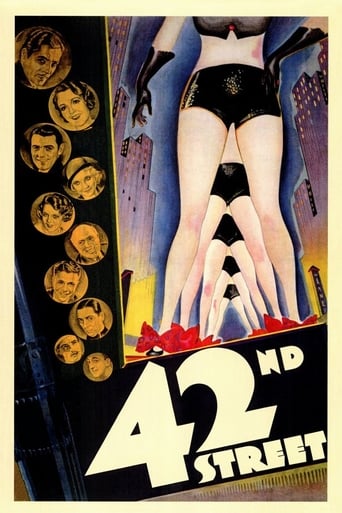
March 11, 1933 · Comedy, Drama
For fifty years, from the coming of sound to the end of the 1970s, the studios of Hollywood and Britain produced films at a rate and of a quality that have hardly been equalled. They were made for everybody: the same picture had to please a child, a grandmother and a couple on their first evening out. That is why so many of them can still be watched by a whole household today. TheMoviesFlix is a guide to 194 of these films, made between 1930 and 1979, each with its own page, its story, its cast and a Watch now button that leads to the official services carrying it in your country.
Every film here carries an American rating of PG or G, or was passed for general audiences before ratings began, and each was looked at again by hand. Westerns, war films, crime films and religious epics have guides of their own elsewhere and were left out. What remains is the bright centre of the classic cinema: 99 comedies, 98 romances, adventures by sea and air, musicals, a shelf of science fiction and fantasy, and the great adaptations of Dickens, Austen and Shakespeare.
This guide introduces the films by kind, by star and by decade, and ends with plans for a first week. Each section links to a short help page, and the How to watch page sums up the simple steps from a poster to the official service.
TheMoviesFlix keeps the look of the site whose name it carries: a warm cream page, a white header with the name in a rounded display face, a dark grey menu bar, and a row of green buttons. Below them the films are shown as white cards in four columns, each with a tall poster, the title and year, and a small line with a calendar, the date on which the film first opened, and its two main genres.
The first group on the home page, Most popular, shows the twelve films with the most votes from viewers. Then come groups from the 1930s and 1940s, comedy, adventure and science fiction, and musicals. The green buttons lead to every category, and the help pages and this guide follow. On a telephone the cards stand two abreast and the menu folds into a button.
A few facts make these films easier to enjoy. Until the 1950s, most were made by a handful of large studios, each with its own stars, writers, directors, designers and musicians under contract. Metro-Goldwyn-Mayer was the grandest, the home of gloss and of the great literary adaptations. Warner Brothers was quick and tough, the home of the backstage musical and the swashbuckler. Paramount was witty, Columbia was the home of Frank Capra, RKO of Fred Astaire and of King Kong, and Twentieth Century-Fox of John Ford's finest dramas. In Britain, the Rank Organisation and the producers Powell and Pressburger made films of great beauty.
A studio film was rarely long, ninety or a hundred minutes as a rule, and it told its story with speed. Black and white was normal until the middle of the 1950s; colour was kept for musicals, adventures and spectacles. After 1960 the studios weakened, films were shot more and more in real places, and a new generation of directors arrived, so that the comedies and dramas of the 1970s in this catalogue, American Graffiti, The Candidate or Being There, look and sound quite different from those of 1940. The catalogue holds between 29 and 47 films from each of the five decades.
The Comedy category holds 99 films, and the Comedy help page gives a route through it. The comedies of the 1930s and early 1940s are called screwball comedies, after a kind of pitch in baseball that swerves unexpectedly. They are fast, talkative stories of courtship in which a lively woman usually runs rings round a bewildered man. Holiday, from 1938, is one of the best: Cary Grant plays a young man who wants to see the world before settling down to make money, and Katharine Hepburn is the sister of his rich fiancée, and the only person in a great stone mansion who understands him.
Twentieth Century, from 1934, set on an express train, pits a theatre producer against the star he created. Midnight, from 1939, drops a penniless American showgirl into Paris society in an evening gown. The Palm Beach Story, from 1942, written and directed by Preston Sturges, begins where other films end, with a wedding, and sends its heroine south by train among a club of millionaires. My Favorite Wife, The Talk of the Town, The Major and the Minor, the first American film directed by Billy Wilder, Christmas in Connecticut and The Bachelor and the Bobby-Soxer belong to the same happy family.
Billy Wilder is the presiding wit of the later comedies. One, Two, Three, from 1961, is perhaps the fastest film ever made: James Cagney, as the head of a soft-drink company's office in Berlin, has one afternoon to turn his boss's unsuitable new son-in-law into a gentleman. The Fortune Cookie, from 1966, was the first film to pair Jack Lemmon with Walter Matthau, who won an Academy Award as a lawyer with large ideas. The two are together again in The Front Page, set in a press room in Chicago. Love in the Afternoon, with Audrey Hepburn, is Wilder in a gentler mood.
The plays of Neil Simon supplied the comedies of the late 1960s and 1970s: Barefoot in the Park, in which newly-weds played by Robert Redford and Jane Fonda move into a flat up five flights of stairs; The Out-of-Towners, a catalogue of everything that can go wrong on a trip to New York; The Sunshine Boys, about two old vaudeville partners who can hardly bear each other; and The Goodbye Girl. Walter Matthau, who appears in seven films here, is also the unwilling coach of a children's baseball team in The Bad News Bears, the suitor in Cactus Flower and the schemer of A New Leaf, which was written and directed by his co-star, Elaine May.
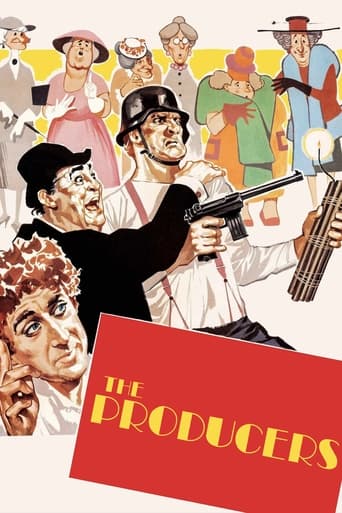
Other pleasures of the category are The Producers, the first film of Mel Brooks; The In-Laws, in which a dentist is drawn into the adventures of his daughter's future father-in-law; The Mouse That Roared, with Peter Sellers in three parts, about a tiny duchy that declares war on the United States in the hope of being defeated and given aid; And Now for Something Completely Different, the first film of the Monty Python team; Auntie Mame; Born Yesterday; Father of the Bride; Yours, Mine and Ours, about a widow and a widower with eighteen children between them; and The Great Race and Those Magnificent Men in Their Flying Machines or How I Flew from London to Paris in 25 Hours 11 Minutes, two enormous slapstick spectacles of 1965.
The Comedy teams category holds ten films, five with the Marx Brothers and five with Laurel and Hardy, and the Comedy teams help page introduces both. The Marx Brothers came to films from the stage. Groucho, with a painted moustache and a cigar, talks faster than anyone can follow; Chico plays the piano and mangles the language; Harpo stays silent, plays the harp like an angel and chases everything in sight. Animal Crackers, from 1930, Monkey Business and Horse Feathers, in which Groucho becomes the president of a college, are the pure early article; At the Circus and A Night in Casablanca are later and gentler.
Stan Laurel and Oliver Hardy are the best-loved comedy pair in the history of film, the thin one who cries and the stout one who twiddles his tie. The Music Box, from 1932, is half an hour long and perfect: the two must deliver a piano to a house at the top of an immense flight of steps. It won the first Academy Award given to a short comedy. Sons of the Desert, in which they deceive their wives in order to attend a convention, is their finest feature; Busy Bodies is set in a sawmill; Our Relations gives each of them a twin; and Babes in Toyland places them in a nursery-rhyme land. Children who know only the cartoons of last year will laugh at these within a minute.
The Romance category holds 98 films, and the Romance help page chooses among them. An Affair to Remember, from 1957, is the love story by which others are measured. A man and a woman, each engaged to someone else, meet on a liner crossing the Atlantic, fall in love, and agree to meet in six months' time at the top of the Empire State Building if they still feel the same. Cary Grant and Deborah Kerr play them, and the last scene, in a small flat on Christmas Eve, has moved audiences for nearly seventy years.
The Quiet Man, from 1952, is the most cheerful of romances. John Wayne plays an American who returns to the Irish village where he was born, buys his family's cottage, and falls in love at first sight with a red-haired woman herding sheep, played by Maureen O'Hara, whose brother has other ideas. John Ford, who directed it, won the Academy Award, and the green fields of County Mayo, filmed in colour, won another for the photography.
Now, Voyager, from 1942, is the story of a plain, unhappy daughter of a Boston family, played by Bette Davis, who is helped by a wise doctor to become herself, and who finds love on a cruise to South America. Random Harvest, from the same year, tells of a soldier who has lost his memory and the woman who marries him twice. Dark Victory, Jezebel and Camille, with Greta Garbo, are great star performances of the 1930s. Marty, from 1955, is their opposite, a small film about a shy butcher in the Bronx and a schoolteacher who meet at a dance hall on a Saturday night; it won the Academy Award for best picture. Summertime sends Katharine Hepburn to Venice, and I Know Where I'm Going! sends a determined young Englishwoman to the islands of Scotland, where the weather and a naval officer change her plans.
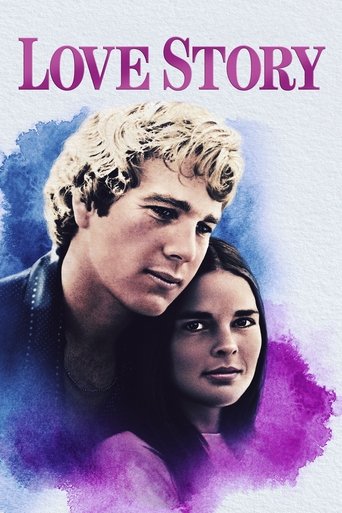
Later love stories include Two for the Road, which follows a marriage along the roads of France at five different times, cutting between them; Love Story, the great success of 1970; The Way We Were, with Barbra Streisand and Robert Redford; The Great Gatsby; and Heaven Can Wait, from 1978, in which Warren Beatty plays a football player sent back to earth in another man's body. The film of the same name from 1943, Heaven Can Wait, directed by Ernst Lubitsch, is a different story altogether: an elderly gentleman presents himself at the gates of the other place and reviews a life spent adoring his wife.
The Cary Grant category holds nine films, and the Cary Grant help page lists them in order. Born Archibald Leach in Bristol, England, he ran away as a boy to join a troupe of acrobats, and the acrobat's timing stayed with him. Nobody in films was better dressed, better at listening, or funnier when things went wrong. Besides Holiday, My Favorite Wife, The Talk of the Town, The Bachelor and the Bobby-Soxer and An Affair to Remember, the category holds Only Angels Have Wings, from 1939, an adventure about the pilots who fly the mail over the Andes; Penny Serenade, a tender story of a marriage told through gramophone records; The Bishop's Wife, in which he is an angel sent to help a clergyman, and which is a favourite at Christmas; and People Will Talk.
The Tracy and Hepburn category holds twelve films with Spencer Tracy, Katharine Hepburn or both, and the Tracy and Hepburn help page explains the partnership. They made nine films together over twenty-five years. He was plain, solid and still; she was quick, angular and proud; and the comedy came from watching each refuse to give way. Woman of the Year, from 1942, their first, pairs a sports writer with a celebrated columnist on foreign affairs. Adam's Rib, from 1949, makes them husband and wife, both lawyers, on opposite sides of one trial. Guess Who's Coming to Dinner, from 1967, their last, casts them as liberal parents whose daughter brings home the man she intends to marry, a distinguished doctor played by Sidney Poitier. Tracy was gravely ill during the filming and died seventeen days after it ended; his final speech is addressed, in effect, to her.
Apart, Tracy is the fisherman who teaches a spoilt boy in Captains Courageous, the priest of Boys Town, both of which won him Academy Awards, the weary parent of Father of the Bride, the lawyer of Inherit the Wind and the solitary hero of The Old Man and the Sea. Hepburn is Jo in Little Women, the version of 1933, a young actress in Stage Door, and the visitor to Venice in Summertime.
The Adventure category holds 37 films, and the Adventure help page sorts them. Begin with Errol Flynn. In Captain Blood, from 1935, the film that made him a star overnight, he is a physician unjustly sentenced and shipped to the Caribbean, who escapes and takes to the sea. The Sea Hawk, from 1940, has him as an English captain in the service of Queen Elizabeth, with a thrilling score by Erich Wolfgang Korngold, and he is the Earl of Essex to the queen of Bette Davis in The Private Lives of Elizabeth and Essex.
The Mark of Zorro, from 1940, with Tyrone Power as the masked champion of old California, contains what many fencers consider the best duel ever filmed. Scaramouche, from 1952, contains the longest, some six and a half minutes through the boxes, stairs and stage of a theatre. The Three Musketeers, from 1948, has Gene Kelly leaping through the part of d'Artagnan like the dancer he was. Knights of the Round Table, The Vikings, with Kirk Douglas and Tony Curtis, and Robin and Marian, in which Sean Connery and Audrey Hepburn play Robin Hood and Maid Marian in middle age, carry the tradition on.
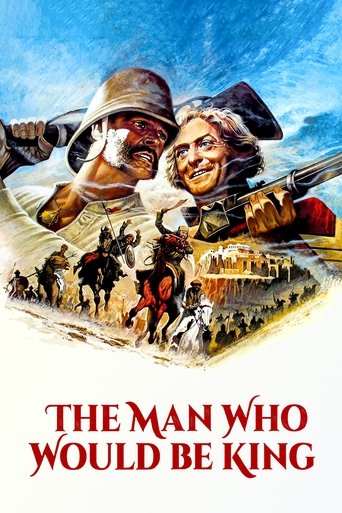
The Thief of Bagdad, from 1940, is the great fantasy adventure of the period, in glowing colour, with a flying horse, a giant genie in a bottle, a magic carpet and the young Indian actor Sabu as the thief; its tricks won Academy Awards, and film-makers have borrowed from it ever since. Sabu also plays Mowgli in Jungle Book, from 1942. The Man Who Would Be King, from 1975, directed by John Huston from a story by Rudyard Kipling, sends two former soldiers, played by Sean Connery and Michael Caine, over the mountains to a remote kingdom, where one of them is taken for a god. It is among the best-liked films in the catalogue, and suits older children and adults.
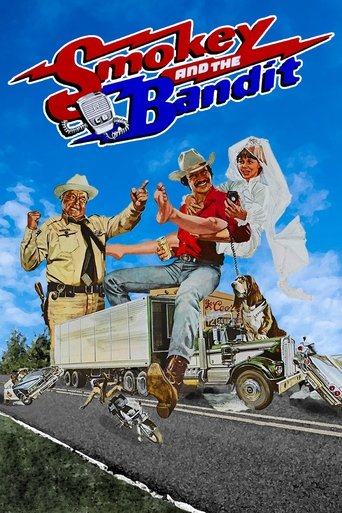
Adventures of the machine age include Only Angels Have Wings; The Flight of the Phoenix, from 1965, in which the survivors of an air crash in the Sahara build a new aeroplane from the wreck; Grand Prix and Le Mans, two films of motor racing photographed from the cars themselves; Downhill Racer, about a skier; Big Wednesday, about three surfing friends; and the cheerful road films Smokey and the Bandit, Convoy and Every Which Way but Loose, in which Clint Eastwood shares the screen with an orang-utan.
The Science fiction and fantasy category holds 31 films, and the Science fiction and fantasy help page divides them into futures, voyages and visitors from elsewhere. Things to Come, from 1936, written by H. G. Wells, imagines the hundred years from 1940 to 2036 and ends with a shot to the moon; its white cities influenced every later vision of the future. When Worlds Collide, from 1951, builds a rocket to carry a few people to safety. Fahrenheit 451, from 1966, directed by François Truffaut from the novel by Ray Bradbury, shows a society in which books are forbidden and firemen exist to burn them, and a fireman who begins to read.
Fantastic Voyage, from 1966, shrinks a submarine and its crew and sends them through the bloodstream of a scientist; its designs of the inside of the body are still astonishing. Voyage to the Bottom of the Sea, First Men in the Moon, with creatures animated by Ray Harryhausen, Robinson Crusoe on Mars, Marooned, which foresaw a rescue in orbit, The Land That Time Forgot, At the Earth's Core and Warlords of Atlantis are adventures for a wet afternoon. Battle for the Planet of the Apes closes a famous series, King Kong vs. Godzilla is exactly what its title promises, and Mighty Joe Young is the gentlest of the giant-ape films, about a gorilla brought up by a girl in Africa.
The fantasies about heaven and its messengers are a group of their own, and they are among the most charming films of the 1940s. In A Matter of Life and Death, from 1946, by Michael Powell and Emeric Pressburger, a British airman who should have died is missed in the fog by the conductor sent to collect him, falls in love, and must argue his case before a court in the next world; earth is in colour and heaven in pearly black and white, joined by an immense moving staircase. Here Comes Mr. Jordan, from 1941, is the original of Heaven Can Wait. The Ghost and Mrs. Muir, The Bishop's Wife, Blithe Spirit, from the play by Noel Coward, Portrait of Jennie and Lost Horizon, with its hidden valley of Shangri-La, complete the shelf, with The Secret Life of Walter Mitty, in which Danny Kaye daydreams himself into a dozen heroic lives.
The Musicals category holds nineteen films, and the Musicals help page sets them in order. The film musical was born at Warner Brothers in 1933, with three films in a single year: 42nd Street, in which a chorus girl takes the place of the injured star on opening night, Gold Diggers of 1933 and Footlight Parade, with James Cagney as a producer of stage shows. Their stories are simple backstage tales; their glory is the dance numbers designed by Busby Berkeley, who placed the camera directly overhead and arranged a hundred dancers into opening flowers, turning wheels and waterfalls.
On the Town, from 1949, follows three sailors with twenty-four hours of leave in New York, and it was the first musical to take its dances out into real streets. Kiss Me Kate, with songs by Cole Porter, sets a quarrelling pair of actors to play Shakespeare's quarrelling lovers. Daddy Long Legs pairs Fred Astaire with Leslie Caron. Funny Girl, from 1968, was the first film of Barbra Streisand, who won the Academy Award for it; she is the matchmaker of Hello, Dolly! the following year. Bye Bye Birdie laughs at the first age of rock and roll, and The Buddy Holly Story, I Wanna Hold Your Hand and Rock 'n' Roll High School look back on it with affection.
Fiddler on the Roof, from 1971, is the best-known musical in the catalogue. Tevye, a poor milkman in a Jewish village in Russia in 1905, has five daughters and a firm belief in tradition, and each of the three eldest in turn chooses a husband in a way that tests it further. The songs are known all over the world, and the film, three hours long with an interval, is a complete evening for a family. Limelight, from 1952, belongs here too: Charlie Chaplin, who wrote, directed and composed it, plays an old music-hall clown who nurses a young dancer back to hope. It has one of the highest ratings of any film on TheMoviesFlix.
The Drama category holds 118 films, and the Drama help page selects from them. Several are films of conscience, made by studios that believed a popular picture could also say something. Gentleman's Agreement, from 1947, in which a journalist presents himself as Jewish in order to write about prejudice, won the Academy Award for best picture. Inherit the Wind, from 1960, restages a famous trial of 1925 over the teaching of evolution, with Spencer Tracy and Fredric March as the opposing lawyers. To Sir, with Love sends Sidney Poitier to teach in a rough school in the East End of London; Lilies of the Field, for which he became the first Black actor to win the Academy Award for a leading part, has him build a chapel for a small community of sisters in the desert.
The films of Frank Capra are the most hopeful of all. Lady for a Day, from 1933, and his own later version of the same story, Pocketful of Miracles, tell of a street seller of apples turned into a great lady for a week; Lost Horizon is his dream of peace; and Meet John Doe is his portrait of ordinary decency. Family stories include How Green Was My Valley, from 1941, John Ford's memory of a mining village in Wales seen through the eyes of the youngest son, which won five Academy Awards; The Magnificent Ambersons, the second film of Orson Welles; A Tree Grows in Brooklyn; Make Way for Tomorrow, about an elderly couple whose children have little room for them; Stella Dallas; Dodsworth; and Imitation of Life.
From Britain come Hobson's Choice, a comedy-drama about a bootmaker of Salford and his three daughters, directed by David Lean; Goodbye, Mr. Chips, the life of a schoolmaster; The Loneliness of the Long Distance Runner; and That Hamilton Woman. From the 1970s come The Paper Chase, about a first-year student of law and a formidable professor; The Candidate; The Front; The Last Tycoon; Norma Rae, for which Sally Field won the Academy Award as a mill worker who organises her fellow workers; Charly; and Being There.
Two films of the 1970s lead the Most popular group on the home page. American Graffiti, from 1973, was the second film of George Lucas, made four years before his space adventure changed the cinema. It follows four friends through a single night at the end of the summer of 1962, in a small town in California, the last night before two of them are due to leave for college. They cruise the main street in their cars, listen to the disc jockey Wolfman Jack, chase a mysterious girl in a white car and decide, by dawn, who is going and who is staying. The cast were unknowns who became famous, among them Richard Dreyfuss, Ron Howard and Harrison Ford, and the soundtrack of forty-one rock and roll records plays almost unbroken.
Being There, from 1979, was the last great performance of Peter Sellers. Chance is a middle-aged gardener who has lived his whole life inside one house in Washington, tending the garden and watching television. When his employer dies he walks out into the world in a well-cut suit, with perfect manners and an empty mind. His simple remarks about roots and seasons are taken for wisdom, and within days he is advising a financier and the President. The film is a quiet, very funny fable, suitable for older children and adults, and Melvyn Douglas won the Academy Award for his part in it.
The From the page category gathers 33 films of novels and plays, and the From the page help page lists them by author. They are a great help to anyone studying the books. Great Expectations, from 1946, directed by David Lean, is generally thought the best film ever made from Dickens: the meeting in the churchyard on the marshes at the start has frightened and delighted audiences ever since, and John Mills, Alec Guinness and Jean Simmons lead the cast. A Christmas Carol, from 1938, is a short and kindly version for the family.
Pride and Prejudice, from 1940, with Greer Garson and Laurence Olivier, takes cheerful liberties with the costumes and is very good fun. Jane Eyre, from 1943, has Joan Fontaine and Orson Welles, and a very young Elizabeth Taylor in a small part. Little Women, from 1933, and Little Women, from 1949, in colour, can be compared scene by scene. The Heiress, from the novel by Henry James, won Olivia de Havilland an Academy Award. Heidi and The Little Princess were made for the child star Shirley Temple, and Captains Courageous and Jungle Book come from Kipling.
Laurence Olivier's Hamlet, from 1948, won the Academy Award for best picture, the first British film to do so, and Orson Welles filmed his Macbeth in twenty-three days in the same year. Kiss Me Kate borrows from Shakespeare, The Old Man and the Sea and The Great Gatsby come from the great American novelists, and Anne of the Thousand Days from a play about Henry VIII and Anne Boleyn.
The Family viewing help page names the films most suitable for small children. The surest are the comedies of Laurel and Hardy, The Thief of Bagdad, Heidi, The Little Princess, Jungle Book and Pollyanna, from 1960, in which Hayley Mills plays an orphan who teaches a whole town her game of finding something to be glad about. From the Disney studio in later years come The Computer Wore Tennis Shoes, with the young Kurt Russell as a student who absorbs the memory of a computer, and Candleshoe, with Jodie Foster, David Niven and Helen Hayes, about a treasure hidden in an English country house.
Children of nine or ten and older will enjoy the swashbucklers, the science fiction adventures, The Great Race, Mighty Joe Young, The Ghost and Mr. Chicken, a comedy about a timid reporter and a supposedly haunted house, The Bad News Bears and Meatballs, a comedy of summer camp. For teenagers, American Graffiti, The Paper Chase, To Sir, with Love and The Pride of the Yankees, the story of the baseball player Lou Gehrig, are good choices.
Five categories arrange the catalogue by date, and the Decade by decade help page describes them. The 1930s holds 40 films. Sound was new, and the films are drunk on talk and music: the Marx Brothers, the Warner musicals, Dinner at Eight, Twentieth Century, Captain Blood, Lost Horizon, Stage Door, Holiday, The Women, which has a cast of more than a hundred and thirty speaking parts, every one played by a woman, and the remarkable harvest of 1939: Only Angels Have Wings, Dark Victory, Midnight, Young Mr. Lincoln and Goodbye, Mr. Chips.
The 1940s is the largest shelf, with 47 films. It opens with The Thief of Bagdad, The Sea Hawk and Pride and Prejudice, passes through How Green Was My Valley, Woman of the Year, Now, Voyager and Random Harvest, and after 1945 turns to fantasy and to literature: A Matter of Life and Death, Great Expectations, The Ghost and Mrs. Muir, Hamlet and The Heiress. The 1950s holds 29, in wide screens and bright colour: Father of the Bride, The Quiet Man, Limelight, Scaramouche, Marty, An Affair to Remember, Auntie Mame and The Vikings.
The 1960s holds 39, from Inherit the Wind and One, Two, Three to The Great Race, Fantastic Voyage, Guess Who's Coming to Dinner, Funny Girl and The Producers. The 1970s also holds 39: Love Story, Fiddler on the Roof, American Graffiti, The Way We Were, The Man Who Would Be King, The Bad News Bears, Heaven Can Wait, The In-Laws and Being There.
The Top rated category gathers the 37 films rated 7.3 or more out of ten by viewers around the world. Limelight, Fiddler on the Roof, A Matter of Life and Death, Being There, Inherit the Wind and Guess Who's Coming to Dinner are among its leaders.
Certain names on a poster are a guarantee. George Cukor, with eight films here, more than any other director, was the finest director of actresses in Hollywood: Dinner at Eight, Little Women, Camille, Holiday, The Women, Adam's Rib, Born Yesterday and Let's Make Love are all his. Billy Wilder has five. Frank Capra, John Ford, William Wyler and David Lean have four each. Wyler, a perfectionist who asked for take after take, made Dodsworth, Jezebel, The Heiress and Funny Girl; Lean, before his great epics, made Blithe Spirit, Great Expectations, Hobson's Choice and Summertime.
Charlie Chaplin directed and starred in Limelight and A King in New York, and directed Marlon Brando and Sophia Loren in his last film, A Countess from Hong Kong. Leo McCarey made Make Way for Tomorrow, The Bells of St. Mary's and An Affair to Remember; Michael Curtiz made the Errol Flynn adventures; Joseph L. Mankiewicz wrote and directed A Letter to Three Wives and People Will Talk and directed The Ghost and Mrs. Muir; and Michael Ritchie made three sharp comedies of American competition, Downhill Racer, The Candidate and The Bad News Bears.
Bette Davis and Barbara Stanwyck each lead five films. Davis, with her great eyes and clipped speech, is at her height in Jezebel, Dark Victory and Now, Voyager. Stanwyck could do anything: the self-sacrificing mother of Stella Dallas, the reporter of Meet John Doe, the shoplifter with a heart in Remember the Night and the magazine writer of Christmas in Connecticut, who claims to be a perfect cook and has yet to boil an egg. Audrey Hepburn appears in four, Ingrid Bergman in three, among them Anastasia and Cactus Flower, and Robert Redford in five films of the 1960s and 1970s.
Jack Lemmon and Tony Curtis share The Great Race; Gary Cooper is Meet John Doe and Lou Gehrig; Henry Fonda is the young Lincoln and the father of ten in Yours, Mine and Ours; Sidney Poitier, David Niven, Gene Kelly and Errol Flynn each appear in three. One pleasure of the old studio system is that the same supporting players, the butlers, aunts, editors and taxi drivers, turn up in film after film, and after a dozen evenings they feel like acquaintances.
There are several ways to find a film on TheMoviesFlix, and the Finding titles help page describes each one. The search box in the header accepts a title and shows matching films as you type. The green buttons under the menu open the categories, the A-Z page lists all 194 films alphabetically with their years, and the Movies page lists them by popularity.
A few titles need a second look. Two films are called Heaven Can Wait and two are called Little Women, and the year on each card tells them apart. 42nd Street is filed before the letter A. The film about the air race from London to Paris has one of the longest titles ever printed on a poster; typing "magnificent" finds it, together with The Magnificent Ambersons. Titles beginning with The or A are filed under the next word, and one distinctive word, Zorro, Gatsby or Phoenix, is usually enough for the search.
Every film page is set out alike. The poster, the title, the year, the running time and the average rating appear first, then a short account of the story, the genres, the director and the principal actors, and then a row of related films from the same categories. The Watch now button opens the list of official services that offer the film in the country you choose.
Classic films are well looked after by official services. The studios that made them have restored the negatives, often to a standard better than audiences saw in 1940, and offer them on their own streaming services, on the large general services and for rental or purchase in the digital shops at modest prices. Specialist services devoted to classic cinema carry many more, and public libraries in several countries lend them through their own applications. What each service holds changes from month to month, so the list on the title page is the place to look.
The Add to My List button on each page puts a film aside for another evening. The list is kept inside the browser on your own device, with neither a registration nor a password, and it opens from the My List link in the menu bar. The My List help page tells how to take a film off the list and how to copy the list to another device.
About half the catalogue is in black and white, and some younger viewers hesitate at that. The hesitation usually lasts five minutes. Black and white is a style in its own right: the cameramen of the studios painted with light and shadow, and faces, rain, smoke and silk have rarely been photographed so beautifully. A few suggestions help. Watch in a darkened room, as the films were meant to be seen. Choose a comedy first, The Music Box, Holiday or The Palm Beach Story, because laughter needs neither colour nor explanation. Leave the picture in its original shape, with dark bars at the sides of a modern screen, since stretching it spoils the compositions.
The colour films have a look of their own too. The Technicolor process of the 1930s and 1940s, used in The Thief of Bagdad, Jungle Book and A Matter of Life and Death, gave rich, saturated colours that modern restorations have brought back to life. The wide-screen films of the 1950s and 1960s, such as The Vikings, The Great Race and Grand Prix, were designed to fill a wall, and repay the largest screen in the house.
Here are seven evenings for a household new to classic films. On the first, watch The Music Box and Sons of the Desert together; the pair run for about an hour and a half. On the second, The Quiet Man. On the third, The Thief of Bagdad, with the children. On the fourth, Holiday. On the fifth, Great Expectations. On the sixth, One, Two, Three, and on the seventh, An Affair to Remember, with a handkerchief.
A second week might hold A Matter of Life and Death, Captain Blood, 42nd Street, Marty, The Great Race, American Graffiti and Fiddler on the Roof. For a Christmas evening, choose The Bishop's Wife, Holiday Affair, Christmas in Connecticut or A Christmas Carol; for a rainy Sunday, The Ghost and Mrs. Muir or Random Harvest; and for a birthday party, The Great Race, which contains the largest pie fight ever filmed.
For a household with teenagers, a week of the 1970s works well: American Graffiti, The Bad News Bears, The Paper Chase, The In-Laws, Heaven Can Wait, The Buddy Holly Story and Being There. These films are closer in manner to the cinema of today, and they make a natural bridge back to the older titles for viewers who are meeting the classics for the first time.
Every title on TheMoviesFlix was considered by a person before it was admitted. Its certificate was checked, its story and the notes written for parents were read, and films that would be out of place in a family room were passed over, however famous. Older films sometimes reflect the attitudes of their day, and titles that lean on unkind caricature were set aside as well. The descriptions are short and plain, the years and running times are confirmed in the public film databases, and the posters are the official ones.
TheMoviesFlix is a guide. It stores neither films nor download files; every Watch now button opens an official, licensed service, so that the archives and studios that preserve these films are supported when you watch. That support matters: restoring a single film from 1935 can take a team of specialists a year.
TheMoviesFlix is a guide to 194 classic English-language films made between 1930 and 1979, all rated PG or gentler. Each film has a page with its story, year, running time, director and cast, and a Watch now button that leads to the official services carrying it in your country.
Start with The Quiet Man, Holiday or The Great Race. The first-week plan in the guide suggests seven evenings.
Yes. Every film is rated PG or G in the United States or was passed for general audiences, and each was checked by hand. The Family viewing help page names the best choices for small children.
About half are, and the rest are in colour. The guide has a short section on enjoying black and white.
Cary Grant has nine films, Spencer Tracy and Katharine Hepburn share twelve, and the Marx Brothers and Laurel and Hardy share ten.
They are different stories, from 1943 and 1978. Two versions of Little Women, from 1933 and 1949, are also listed, and the year on each card tells them apart.
Press Add to My List on the page of any film. The list is kept by your own browser, free of charge, and the My List link in the menu bar opens it.
TheMoviesFlix is a guide only. Every Watch now button leads to an official, licensed service.
